What kinds of salvaged wood do you buy?
We buy quality beams, timbers, siding, flooring, framing lumber, architectural salvage, and selected surplus new lumber when the material is reusable and accessible.
We're always buying salvaged wood — and always stocking quality reclaimed lumber for sale. Two sides of the same sustainable cycle.
Tell us about your project and we'll get back to you within one business day.
Demolishing a barn? Renovating a warehouse? Clearing a job site? If you have salvageable lumber, we want to hear from you. We pay competitive prices for quality reclaimed wood and handle all the logistics.
Email photos, approximate quantities, species (if known), and location. The more info, the faster we can quote.
We assess the material based on species, condition, quantity, and logistics. Most quotes are returned within 48 hours.
If we agree on price, our team handles pickup. We bring the trucks, the crew, and the equipment. You just point us to the wood.
Payment on pickup or within 7 days, depending on the arrangement. Simple, fair, no hassle.
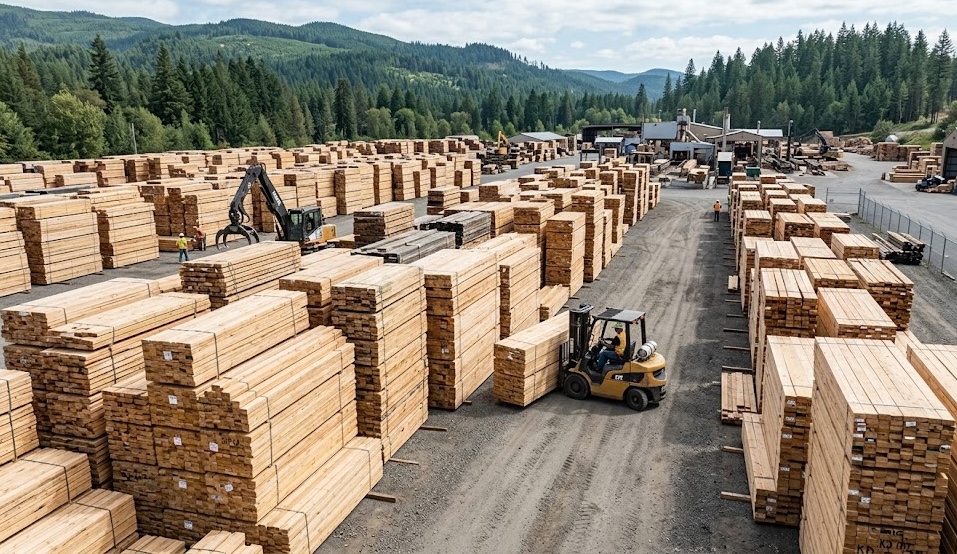
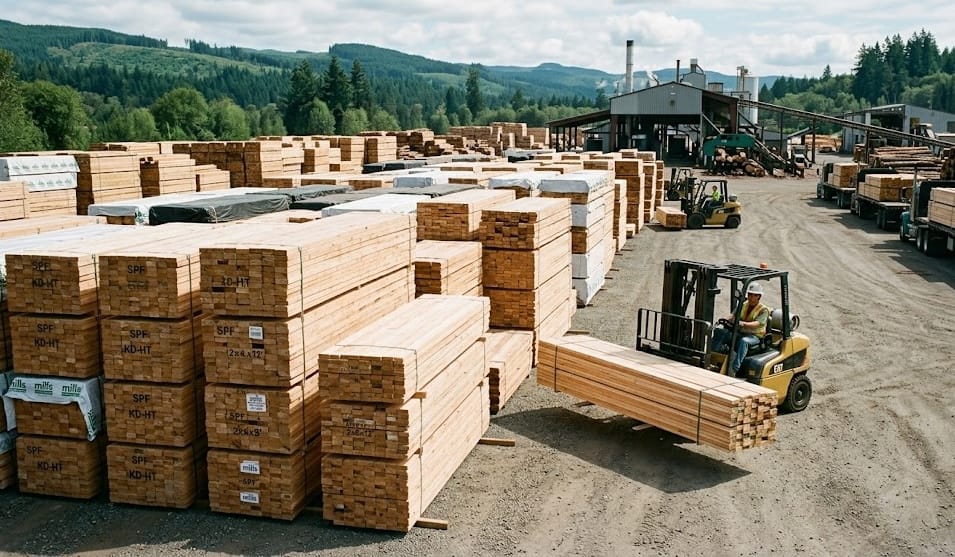
Our yard in Virginia Beach stocks thousands of board feet of graded, sorted, and processed reclaimed lumber — ready for immediate purchase. Walk in during business hours to browse, or contact us for a specific cut list and we'll pull and prep your order.
We work with individual homeowners, general contractors, architects, interior designers, furniture makers, and commercial developers. No order is too small, and no project is too large.
Reclaimed lumber pricing isn't arbitrary. Every piece is evaluated against a set of objective criteria that reflect its usability, rarity, and market demand. Here are the six core factors that drive the price we pay — and the price we charge.
Species is the single biggest factor in pricing. American chestnut commands premium rates ($12–$28 per board foot) because the species was virtually wiped out by blight in the early 1900s and cannot be harvested new. Heart pine, white oak, and Douglas fir also carry strong value ($4–$12/BF) due to dense grain structure and demand from designers. Softer or more common species like southern yellow pine and hemlock are valued lower ($1.50–$4/BF) but still highly marketable in volume.
Wood that is structurally sound with tight grain, minimal checking, and no rot is graded highest. However, character marks — nail holes, saw marks, weathered patina, and surface oxidation — actually increase value for decorative applications. The key distinction is between damage (rot, insect boring, delamination) and character (surface aging that adds aesthetic appeal). We assess moisture content with pin meters; anything above 19% for hardwoods triggers additional drying costs that reduce the buy price.
Larger lots of consistent material are worth more per board foot than small, mixed batches. A truckload of matching 2x10 heart pine floor joists from a single building is far easier for us to process, grade, and sell than a random assortment of mixed species and dimensions. Lots above 2,000 board feet of consistent material typically receive our highest per-foot rate. Below 500 BF of mixed material, we may still purchase, but the rate reflects increased handling cost.
Documented provenance adds measurable value. Timber from a known historical structure — a Civil War-era tobacco barn, a 19th-century textile mill, a decommissioned rail trestle — commands a 15–40% premium over comparable unprovenanced material. Buyers in the luxury residential and hospitality markets actively seek lumber with a story. We photograph, document, and catalog the origin of every lot we purchase.
Larger dimensions are disproportionately valuable. A 12x12 white oak beam is worth far more per board foot than a 2x4 of the same species because large timbers are nearly impossible to source from modern managed forests. Old-growth trees were harvested in sizes that modern forestry simply doesn't produce. Beams over 8x8 and planks wider than 12 inches consistently carry premium pricing. Length matters too — anything over 16 feet is increasingly rare and valuable.
Where the wood is and how hard it is to extract directly impacts the price we can offer. Material already de-nailed, stacked, and accessible at ground level near a loading dock is worth more to us than wood still embedded in a third-floor structure 200 miles away. Ease of extraction reduces our labor and transport costs, which means we can pay you a higher per-foot rate. We always factor in distance from our Virginia Beach yard when quoting pickup jobs.
Not all salvaged wood is reusable. For the safety of our team, our customers, and the integrity of our inventory, we decline certain materials. Understanding these exclusions upfront saves everyone time and ensures our stock remains consistently high quality.
Any wood that has been chemically treated with chromated copper arsenate (CCA), alkaline copper quaternary (ACQ), or copper azole is rejected outright. CCA-treated wood contains arsenic — a known carcinogen — and cannot be safely resawn, sanded, or burned. Even modern ACQ-treated lumber releases copper compounds during processing that corrode equipment and contaminate other wood. We test suspect material with XRF analyzers when visual identification is inconclusive. This applies to old deck boards, fence posts, landscape timbers, and utility poles.
Wood coated in lead-based paint (common in structures built before 1978), creosote (railroad ties, telephone poles), or industrial chemicals (factory floors, chemical storage buildings) cannot be safely processed. Lead paint creates toxic dust when sanded or sawn. Creosote is a known carcinogen that off-gasses for decades. Industrial contaminants vary widely but may include petroleum products, heavy metals, and solvents. We test painted wood for lead content using EPA-recognized test kits and reject any material above 0.5% lead by weight.
Active infestations of powder post beetles, carpenter ants, termites, or old house borers disqualify material from purchase. Introducing infested wood to our yard risks contaminating our entire inventory — thousands of board feet of clean, dry, and valuable reclaimed lumber. We inspect all incoming material for live insects, fresh frass (fine sawdust from boring activity), and exit holes with sharp, clean edges (indicating recent activity). Inactive, historic insect damage (old bore holes with dark, weathered edges) is acceptable and is actually valued as character in decorative applications.
Wood with extensive heart rot, white rot, brown rot (cubical fracture), or advanced spalting that compromises structural integrity is not salvageable. We accept minor surface weathering and localized soft spots that can be cut away, but if more than 25% of a piece is affected by decay, the processing cost exceeds the recoverable value. We probe suspect areas with an awl and use resistance drilling on large timbers to assess internal condition. Wood that crumbles or lacks resistance to penetration is rejected.
Plywood, OSB (oriented strand board), MDF (medium-density fiberboard), particleboard, LVL (laminated veneer lumber), and glulam beams are not accepted. These products contain adhesives — primarily urea-formaldehyde and phenol-formaldehyde resins — that make them unsuitable for reprocessing into solid lumber. They cannot be resawn into usable boards and release formaldehyde when cut. The sole exception is antique laminated timbers from pre-1950 industrial structures, which used casein-based glues and may have salvage value on a case-by-case basis.
We reward volume buyers with tiered pricing that reduces your per-board-foot cost as your order size increases. Whether you're a contractor building multiple homes with reclaimed accents or a commercial developer outfitting a restaurant chain, our volume pricing makes large projects financially viable.
| Order Size (Board Feet) | Discount | Typical Use Case | Lead Time |
|---|---|---|---|
| Under 500 BF | Standard pricing | Accent walls, furniture projects, small renovations | 1–3 days |
| 500 – 1,499 BF | 5% off list price | Single-room flooring, feature walls, built-ins | 3–5 days |
| 1,500 – 4,999 BF | 10% off list price | Whole-home flooring, multi-room renovation | 5–10 days |
| 5,000 – 9,999 BF | 15% off list price | Commercial fit-outs, restaurant builds, retail spaces | 10–15 days |
| 10,000 – 24,999 BF | 20% off list price | Multi-unit residential, hotel renovations | 15–25 days |
| 25,000+ BF | Custom quote | Large commercial, institutional, or multi-site projects | By arrangement |
Discounts apply to single-species orders. Mixed-species orders may receive adjusted rates. Free delivery included on all orders over 5,000 BF within our primary service area. All volume pricing requires a 50% deposit at order confirmation.
Have a unique lot of reclaimed lumber that you believe is worth more than our standard buy price? Our consignment program might be the right fit. Instead of selling to us outright, you place your material in our yard for sale to our network of buyers — and you keep a larger share of the final sale price.
Consignment works best for specialty material: wide-plank American chestnut, antique heart pine beams with documented provenance, rare species like wormy chestnut or old-growth cypress, and exceptionally large timbers that command premium pricing in the right market. We've seen consigned lots sell for 30–60% more than what a direct purchase would have yielded — but it requires patience, as sales may take 30 to 120 days depending on market demand.
We inspect your material and agree on a minimum acceptable price. Material must be of premium quality — we don't consign common grades.
Your lumber is stored in our yard, listed in our inventory system, and actively marketed to our buyer network. We photograph, measure, and grade each piece.
When your material sells, we take a 25% commission and remit the balance within 14 days. You receive a detailed sale report showing buyer, price, and board footage.
If your material hasn't sold within 120 days, you can reclaim it, renegotiate the minimum price, or convert to a direct sale at our standard buy rate.
Minimum consignment lot: 200 board feet. Consignment agreement required. Material must be delivered to our yard at your expense. Storage fees waived for the first 120 days.
Every piece of reclaimed lumber has a story. Here are three transactions that illustrate how our buying and selling process creates value for everyone involved.
A fourth-generation farming family in Smithfield, Virginia contacted us about a tobacco barn built in 1891 that was no longer structurally safe. Our team recovered 4,200 board feet of heart pine beams (8x8 and 8x10), 1,800 BF of poplar siding, and 600 BF of white oak framing. We paid the family $14,800 for the lot — material that would have been crushed and landfilled during standard demolition. The heart pine alone resold for over $38,000 after processing, with much of it going to a luxury home builder on the Outer Banks. The family used the funds to build a new equipment shed.
$14,800 paid to seller · 6,600 BF recovered
A craft brewery in Richmond's Scott's Addition neighborhood needed 3,200 board feet of reclaimed oak and pine for bar tops, wall cladding, and ceiling beams for their new 4,500 sq ft taproom. They wanted a specific industrial-rustic aesthetic: weathered surfaces, visible nail holes, and warm tones. We pulled from three different inventory lots — white oak barn beams from Surry County, heart pine flooring from a Norfolk warehouse, and poplar planks from a Chesapeake farmhouse. Total material cost came to $22,400 with our 10% volume discount, saving them over $3,100 compared to standard pricing. The brewery opened on schedule and their interior has been featured in two regional design publications.
$3,100 saved with volume discount · Featured in 2 publications
A demolition contractor in Lynchburg discovered a cache of American chestnut beams during a commercial teardown — 28 beams averaging 10x12x18 feet, totaling roughly 5,040 board feet. He knew the material was valuable but didn't have the connections or storage to market it properly. We accepted the lot on consignment at a minimum price of $18/BF. Within 45 days, we had sold the entire lot to three buyers: a timber-frame home builder in the Shenandoah Valley, a high-end furniture maker in Charlottesville, and a historic preservation project in Williamsburg. The contractor received $68,040 (after our 25% commission) — nearly four times what our direct purchase price would have been. The sale took patience and the right buyer network, but consignment delivered maximum value for truly exceptional material.
$68,040 to consigner · Sold in 45 days · 3 buyers
The reclaimed lumber market is shaped by broader trends in sustainability, construction, and design. Understanding these trends helps both sellers time their material and buyers plan their budgets.
The reclaimed wood market has grown steadily at 6–8% annually over the past decade. Architects, hospitality designers, and environmentally conscious homeowners are specifying reclaimed materials in record numbers. But supply is inherently limited — there are only so many old barns, warehouses, and factories left to salvage. This supply-demand imbalance has pushed prices for premium species (heart pine, chestnut, white oak) up 15–25% over the last three years. We expect this trend to continue, making now an excellent time to sell quality salvaged material.
Restaurants, breweries, hotels, and retail spaces are the largest consumers of reclaimed lumber by volume in our market. The farm-to-table aesthetic has become standard in food service design, and reclaimed wood is central to that look. A single restaurant build can require 2,000–5,000 board feet of reclaimed material. National chains like Starbucks, Chipotle, and Whole Foods have incorporated reclaimed wood into their design standards, creating consistent institutional demand that stabilizes pricing for suppliers.
LEED v4.1 awards credits for the use of salvaged and reused materials under MR Credit: Building Product Disclosure and Optimization. Reclaimed wood can contribute to multiple LEED categories including Materials and Resources, Innovation, and Regional Priority. As more commercial projects target LEED certification — driven by tenant demand and municipal requirements — the documented chain-of-custody for reclaimed lumber becomes a competitive advantage. We provide full documentation of material origin, species verification, and environmental impact data to support certification applications.
Reclaimed lumber follows seasonal patterns. Demand peaks in spring and early summer (March–June) when construction activity ramps up, and again in September–October for projects targeting year-end completion. Prices are typically 5–10% higher during peak periods. Sellers get the best rates by bringing material to market in February–March, ahead of the spring rush. Buyers can find better deals in November–January when demand softens. Our yard maintains inventory year-round, but selection is broadest in late spring after winter salvage operations have been processed.
Keeping old-growth timber out of landfills and in productive use has a measurable carbon benefit. Each board foot of reclaimed lumber that replaces newly harvested wood prevents approximately 1.1 pounds of CO2 emissions. As carbon credit markets mature and building-sector emissions come under greater regulatory scrutiny, the environmental premium for reclaimed materials is likely to increase. Several major architectural firms have begun quantifying embodied carbon savings from reclaimed wood in their project reporting, further normalizing its specification in commercial construction.
Either way, we make it easy. Get in touch and let's talk wood.
Contact UsCommon questions about selling salvaged lumber to Norfolk Lumber and buying reclaimed wood from our yard.
We buy quality beams, timbers, siding, flooring, framing lumber, architectural salvage, and selected surplus new lumber when the material is reusable and accessible.
We evaluate species, condition, dimensions, quantity, provenance, and jobsite logistics before making a buy offer or pricing material for sale.
Yes. If the material fits our buying criteria, we can arrange pickup and handle loading, transportation, and site logistics.
Yes. You can contact us with a cut list or visit our yard during business hours to browse available reclaimed inventory.
Yes. We offer volume discounts for larger purchases and consignment options for premium lots that may sell above a standard direct-purchase offer.