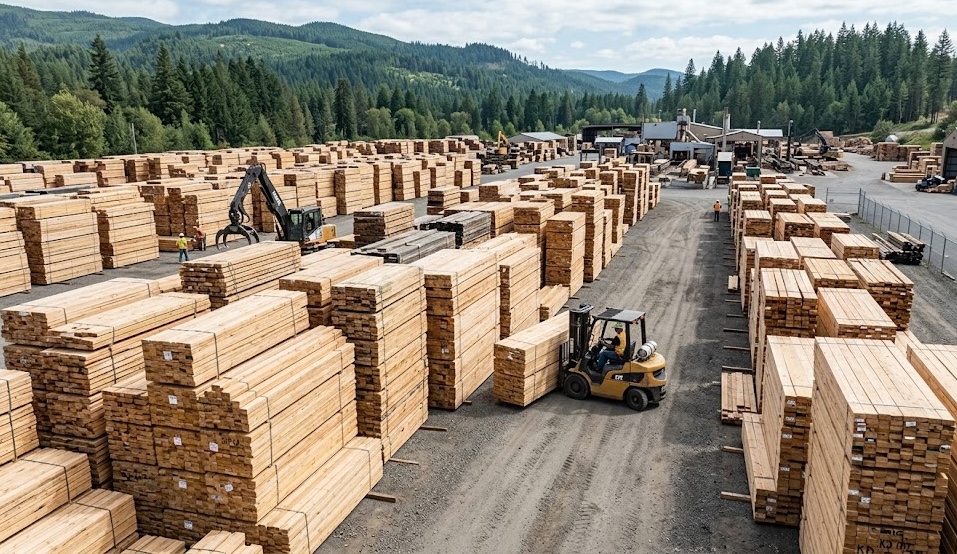
Reclaimed Wood for a City Built on History and Reinvention
Richmond, Virginia, is a city of layers. The former capital of the Confederacy has reinvented itself as one of the most dynamic mid-size cities in the eastern United States, with a craft beer scene that rivals Portland, a food culture recognized nationally, and a real estate market where century-old industrial buildings are converted into lofts, offices, and event spaces at a remarkable pace. In all of these contexts, reclaimed lumber is not just relevant — it is in active demand.
Our Virginia Beach yard is approximately 105 miles from downtown Richmond, about a 90-minute drive up I-64. We deliver to the Richmond metro area on a two- to three-business-day schedule and can coordinate with contractors for job-site delivery. For larger or time-sensitive projects, we have arranged dedicated truck runs to Richmond.
Scott's Addition, Shockoe, and the Warehouse District
Richmond's most vibrant neighborhoods are also its best markets for reclaimed lumber. Scott's Addition, once a sleepy industrial area, has become the city's brewery and distillery capital. The Veil Brewing Co., Ardent Craft Ales, and dozens of other taprooms and restaurants occupy converted warehouses and light industrial buildings where reclaimed wood is central to the interior design. Exposed timber trusses, salvaged-plank bar tops, and barn-door room dividers are standard vocabulary in Scott's Addition buildouts.
Shockoe Bottom and Shockoe Slip, situated along the James River at the foot of Church Hill, are among the oldest commercial districts in Virginia. The brick-and-timber warehouses here have been adapted into apartments, offices, restaurants, and event venues. Renovation of these buildings often uncovers original heavy-timber framing and heart pine decking that can be preserved in place or, when structural changes require removal, salvaged and reincorporated into the new design. We have supplied material for several Shockoe-area adaptive reuse projects and purchased salvaged lumber from others.
Richmond Delivery Details
The Fan, Carytown, and Church Hill
Richmond's residential neighborhoods are architecturally rich. The Fan District, named for its fan-shaped street layout, features blocks of late Victorian and Edwardian rowhouses with original hardwood floors, ornate mantels, and pocket doors. Church Hill, the city's oldest residential neighborhood, has a similar stock of pre-war homes with even older provenance — some dating to the 1700s. Homeowners restoring these properties need lumber that matches the period: wide-plank heart pine, American chestnut, quartersawn white oak, and old-growth poplar in dimensions that modern sawmills simply do not produce.
Carytown, the city's independent retail corridor, has eclectic storefronts that lean into the handmade and artisanal. Reclaimed wood surfaces — display shelves, counters, signage backing — are a common thread among Carytown businesses looking to convey authenticity and craftsmanship. We have supplied custom-milled reclaimed material for several Carytown retail and restaurant fitouts.
Services for Richmond Projects
Richmond customers have full access to our reclaimed lumber inventory, including species ranging from longleaf heart pine and white oak to chestnut, cypress, and Douglas fir. We offer custom milling to match existing floor profiles, create shiplap or tongue-and-groove, and dimension lumber to your specifications. Flatbed delivery to Richmond-area job sites is available, and we coordinate directly with your GC for scheduled drops. For demolition or renovation projects producing salvageable wood, our salvage team can evaluate the material and make a purchase offer.
Green Building Momentum in Richmond
Richmond has embraced green building with increasing seriousness. The city's RVAgreen 2050 plan sets goals for carbon neutrality and waste reduction, and the construction sector is a significant part of both equations. The James River, which flows through the heart of the city, is a daily reminder of the connection between land use, material choices, and environmental health. Reclaimed lumber directly reduces construction waste and avoids the carbon emissions of harvesting, transporting, and milling new timber.
Several Richmond architecture firms have made reclaimed and salvaged materials a core part of their practice, and we have been proud to serve as a supplier for projects seeking LEED certification, EarthCraft designation, and Virginia historic tax credits. Our documentation — species ID, source tracking, and grading reports — supports the paperwork these certifications demand.