What Is Heart Pine?
Heart pine refers to the heartwood of the longleaf pine (Pinus palustris), a species that once blanketed nearly 90 million acres of the American South from Virginia to Texas. What makes heart pine exceptional is not just the species itself, but the conditions under which these trees grew. Old-growth longleaf pines took 200 to 500 years to reach maturity, producing incredibly dense, resin-rich heartwood with grain counts of 20 to 30 rings per inch — sometimes more.
Compare that to modern plantation-grown Southern yellow pine, which typically shows 4 to 8 growth rings per inch. The difference is not just cosmetic; it represents a fundamental divergence in structural performance, durability, and resistance to decay.
Why Heart Pine Cannot Be Replicated
By the early 1900s, nearly all old-growth longleaf pine forests had been logged. Today, only about 3% of the original longleaf ecosystem remains, and virtually none of it is available for commercial timber harvest. Modern longleaf pine plantations are being established for ecological restoration, but these trees are managed on 40- to 80-year rotations — far too short to develop the dense heartwood that defines true heart pine.
This means that every board of heart pine in existence was produced by a tree that no longer stands. The only source is reclaimed lumber: the beams, joists, flooring, and siding of buildings constructed during the 18th, 19th, and early 20th centuries. When those structures are demolished or renovated, the heart pine within them becomes available for a second life.
Identifying Authentic Heart Pine
Visual Characteristics
True heart pine has a warm amber to deep reddish-brown color that darkens with age and UV exposure. The tight, straight grain creates a ribbon-like pattern when quartersawn and a cathedral pattern when flatsawn. Nail holes, saw marks, and surface checking from its first life add character but do not diminish the wood's integrity.
Physical Properties
Heart pine is significantly harder than modern Southern yellow pine. On the Janka hardness scale, old-growth heart pine rates between 1,225 and 1,400 lbf, compared to approximately 870 lbf for new-growth SYP. Its density typically falls between 38 and 45 pounds per cubic foot, air-dried — dense enough to challenge most woodworking tools if they are not kept sharp.
Resin Content
The high resin content of heart pine is both a blessing and a challenge. The resin makes the wood naturally resistant to insect damage and decay, which is why so many heart pine structures survived for over a century without chemical treatment. However, the resin can gum up saw blades and planer knives, and it can bleed through paint and certain finishes if not properly sealed.
Working with Reclaimed Heart Pine
Machining reclaimed heart pine requires sharp carbide-tipped blades and a patient feed rate. The density and resin content will dull high-speed steel quickly. When planing, take light passes — no more than 1/32 inch at a time — to avoid tearout and reduce stress on your equipment.
For flooring installations, heart pine's density makes it an excellent choice for high-traffic areas. It resists denting better than most domestic hardwoods and develops a beautiful patina over time. Use a moisture meter to verify that your material is at 6% to 8% moisture content before installation, and acclimate the wood in the room where it will be installed for at least two weeks.
Finishing Recommendations
Oil-based polyurethane brings out the warm tones and depth of heart pine beautifully. Water-based finishes work well but tend to produce a lighter, more amber appearance. Penetrating oil finishes like tung oil or Danish oil are excellent for furniture and accent pieces, highlighting the grain without building a heavy film.
Avoid using shellac over heart pine — the resin in the wood can interact with the shellac and produce cloudy spots. If you want a traditional finish look, consider a wiping varnish applied in thin coats.
Pricing and Availability
Heart pine commands a premium in the reclaimed lumber market, typically ranging from $8 to $18 per board foot depending on grade, width, and processing. Wide boards (10 inches and above) and clear grades command the highest prices. Structural heart pine beams, especially those in large dimensions, can be even more valuable because they are impossible to source from modern timber.
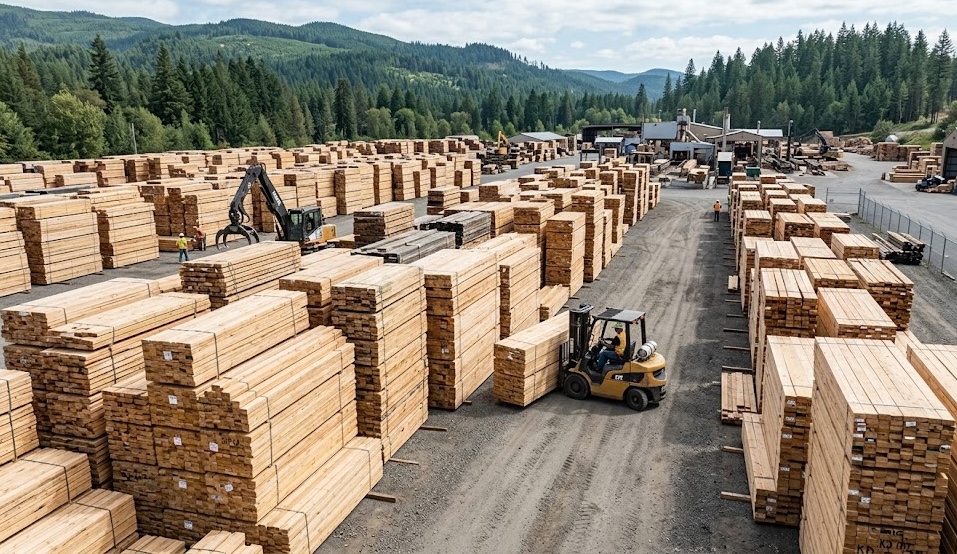
At Norfolk Lumber, we maintain a standing inventory of reclaimed heart pine in various dimensions, from narrow flooring strips to wide planks and heavy timbers. Because supply is inherently limited and unpredictable — it depends on which buildings become available for salvage — we encourage customers to plan ahead and reserve material early for large projects.